Growing lemon trees from cuttings using a liquid drink might not be a reliable or scientifically proven method. However, if you’re interested in experimenting, here’s a simple guide that incorporates a common carbonated drink, such as cola, which is sometimes suggested in gardening folklore for its acidity and sugar content. Keep in mind that success is not guaranteed, and the use of a carbonated drink is not a substitute for proper care and rooting practices.
Materials:
- Lemon cuttings (6-8 inches in length, taken from healthy branches)
- Carbonated drink (cola)
- Container with a well-draining potting mix
- Clean, sharp scissors or pruning shears
- Plastic bag or plastic wrap
- Liquid fertilizer (optional)
Steps:
- Select Healthy Lemon Cuttings:
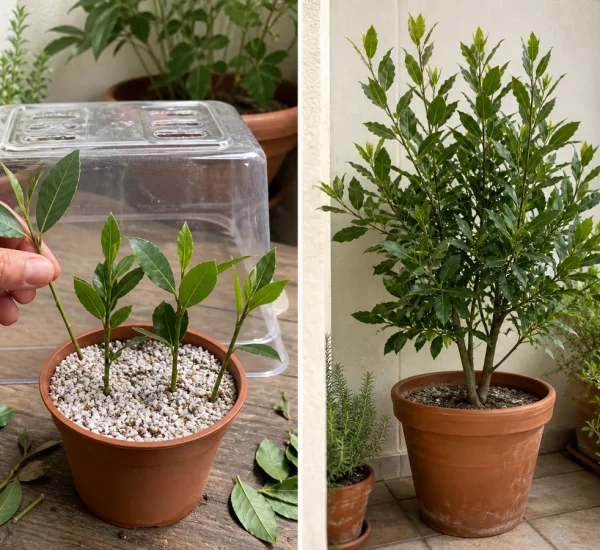
- Choose healthy lemon tree branches and take 6-8 inch cuttings. Each cutting should have 4-6 leaves.
- Prepare Cuttings:
- Trim the cuttings just below a leaf node, and remove any leaves from the lower half of the cutting.
- Soak Cuttings in Carbonated Drink:
- Fill a container with enough carbonated drink to submerge the cuttings. Allow the cuttings to soak for a few hours. Some people believe the acidity and sugar content in the drink may encourage root development.
- Plant in Potting Mix:
- After soaking, plant the cuttings in a container with well-draining potting mix. Insert the cut end about 1-2 inches into the soil.
- Watering:
- Water the cuttings thoroughly after planting, ensuring the soil is consistently moist but not waterlogged.
- Cover with Plastic:
- Cover the container with a plastic bag or plastic wrap to create a humid environment. This helps prevent moisture loss from the cuttings.
- Place in Indirect Light:
- Put the container in a location with indirect light. Avoid direct sunlight, as it may be too harsh for the newly propagated cuttings.
- Maintain Humidity:
- Periodically mist the inside of the plastic covering to maintain high humidity around the cuttings.
- Root Development:
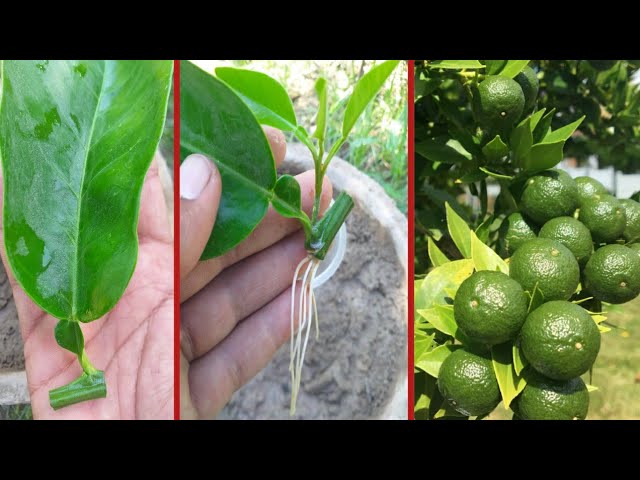
- After a few weeks, check for root development by gently tugging on the cuttings. If you feel resistance, roots may be forming.
- Transplanting:
- Once the cuttings have developed sufficient roots, transplant them into larger pots or directly into the garden.
- Fertilize (Optional):
- Once the new plants are established, you can consider applying a diluted liquid fertilizer according to the manufacturer’s instructions.
Remember, this method is more experimental and not a guaranteed way to propagate lemon trees. Traditional methods such as using a rooting hormone or growing from seeds tend to be more reliable.
Show Comments