Embark on a aromatic expedition as we unravel the craft of extracting essential oils from your very own verdant sanctuary in just 5 minutes. Essential oils, the enchanting spirit of plants, carry a timeless legacy harking back to ancient civilizations. Despite encountering periods of obscurity, these fragrant gems have witnessed a renaissance since the 1990s, especially amidst the burgeoning fascination with aromatherapy, valued for its dual prowess in relaxation and healing.
The profound impact of essential oils on physical, emotional, and mental well-being is truly extraordinary. While the process of extracting oil from aromatic plants might seem like a daunting venture, fear not – it’s a surprisingly accessible escapade that you can seamlessly undertake at home with just a handful of essential tools.

Prepare for this olfactory odyssey armed with a 12 L distiller, a gas or electric stove, water, and aromatic plants such as mint, lavender, thyme, rosemary, savory, and sage – each celebrated for their robust essential oils. A mere 2 kg of freshly harvested plants during their balsamic peak, when active compounds are at their zenith, is all that’s required.
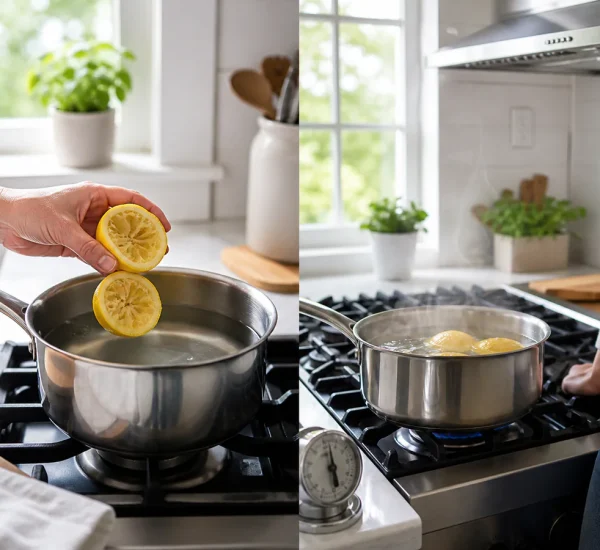
The preferred method for coaxing these liquid wonders is steam distillation, an artful process utilizing steam to delicately separate substances with differing boiling points. Commence the journey by bringing water to a boil, generating steam that gracefully navigates through plant matter in a still, capturing aromatic molecules from plant cells.
The ethereal, weightless molecules then embark on a transformative journey through a condenser, gracefully reverting to a liquid state. Essential oils, lighter than water, ascend with elegance, forming micro droplets that encapsulate the distinctive aroma of the distilled plant.
Post-distillation, you’re left with the pure essence of essential oil and aromatic water, or hydrosol – a companion rather than a mere by-product. Hydrosol proves to be versatile, finding purpose as ironing water, facial toner, and even a potent plant antiseptic.
Freshly distilled essential oils might not immediately exude a robust fragrance, prompting a maturation period lasting several weeks. Allowing the oil to rest during this phase is vital for it to unveil its ideal, full-bodied aroma.

Preserving the integrity of these liquid treasures requires mindful storage. Opt for dark glass containers, shielded from direct light and heat, as essential oils are susceptible to rancidity and deterioration. Given their concentration and potential potency, use essential oils sparingly, seeking expert advice for a secure and enchanting experience.