The snake plant has a reputation that sounds almost too useful. It tolerates neglect, stays upright in a dark corner, releases oxygen at night, removes toxins, and is even promoted in homemade tea. The final claim changes the whole story.
Snake plant, now classified within Dracaena and often still sold as Sansevieria, is a tough decorative houseplant. It should not be eaten or brewed. Its tissues contain saponins that can irritate people and pets. The real secret is its drought-adapted biology, not a medicinal drink.
Why Snake Plant Is So Resilient
Thick leaves store water, allowing the plant to survive dry periods. Underground rhizomes hold energy and produce new shoots. This structure suits homes where watering is sometimes forgotten.
It tolerates lower light than many plants, but growth slows there. Bright indirect light usually produces stronger color and faster new leaves. Some varieties can accept gentle direct sun after gradual adjustment.
“Hard to kill” does not mean impossible to harm. Constantly wet soil is the fastest route to failure.
The Nighttime Oxygen Story
Snake plants use crassulacean acid metabolism, or CAM. They open leaf pores mainly at night to reduce water loss, taking in carbon dioxide and storing it for later use.
This unusual schedule is often simplified into “it produces oxygen all night.” Gas exchange is real, but one or two potted plants will not replace room ventilation or a working air-quality system.
Enjoy the biology without expecting the plant to treat breathing problems or change a poorly ventilated bedroom.
What Air-Purifying Studies Really Mean
Laboratory studies have shown that plants can interact with certain airborne compounds in sealed chambers. A normal home constantly exchanges air, contains furniture and fabrics, and has a much larger volume.
Real-world evidence does not support using a few houseplants as a substitute for source control and ventilation. Reduce pollutants by choosing low-emission products, using exhaust fans, avoiding indoor smoke, and maintaining heating and cooling systems.
The snake plant still adds beauty and a connection to nature. That benefit is enough.
Never Drink Snake Plant Tea
Do not chop the leaves into an infusion, decoction, juice, or food. Snake plant ingestion can cause mouth irritation, nausea, vomiting, or diarrhea. Pets may drool or develop stomach symptoms after chewing it.
Keep the pot away from young children and animals that bite leaves. Wear gloves if sap irritates your skin, and wash tools after pruning.
If a person or pet eats the plant, contact a poison-control center, medical professional, or veterinarian. Do not wait for an online recipe to treat symptoms.
How to Water Without Rotting the Roots
Let the potting mix dry well between waterings. Check several inches down rather than judging the surface alone. In winter or low light, the plant may stay moist for weeks.
When water is needed, soak the root ball and let excess escape. Empty the saucer and the decorative cover pot. Never add a small daily splash.
Soft yellow leaves at the base and a foul smell suggest rot. Remove the plant, trim mushy roots with sanitized tools, and repot firm sections in fresh dry mix.
The Right Pot and Soil
Use a container with open drainage holes. A terracotta pot helps mix dry more quickly, while plastic stays moist longer. Choose a free-draining houseplant or succulent blend suited to your conditions.
Snake plants often prefer a snug pot. Repot when rhizomes distort or crack the container, roots are packed, or watering becomes difficult. Move up only one size.
Do not repot every year merely to refresh soil. Disturbance can slow a plant that was already comfortable.
Light, Feeding, and Leaf Care
Place the plant near bright filtered light for best growth. Move it slowly if increasing sun. Variegated kinds may lose pattern in very dim rooms.
Feed lightly during active spring and summer growth with a balanced houseplant fertilizer. Skip frequent feeding in winter. Excess salts burn roots and leaf edges.
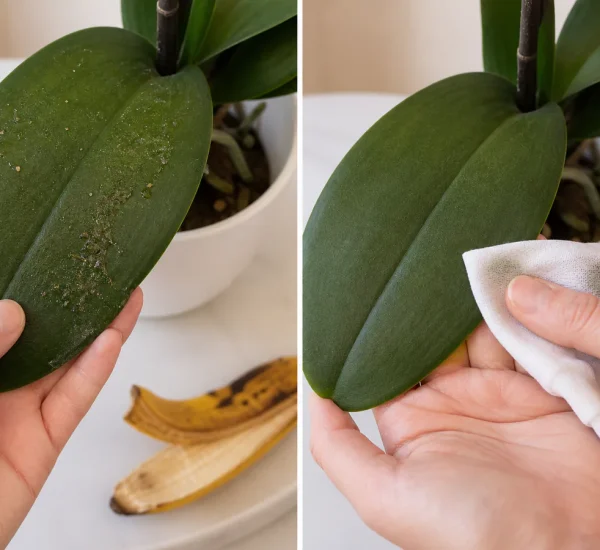
Wipe dust with a damp cloth while supporting each leaf. Do not use milk, oil, or glossy coating. Check for mealybugs and scale around leaf bases.
Propagate Without Creating a Hazard
Divide the rhizome during repotting so each section has roots and leaves. Leaf cuttings can also root, though variegated plants may lose their pattern.
Let cut sections dry before placing them in a draining medium, and avoid overwatering. Keep all cut pieces away from pets and children.
The Useful Secret Is Simple
Snake plant succeeds because it stores water, tolerates variable light, and grows slowly. Give it drainage, let the mix dry, and keep it in useful indirect light.
It may exchange gases on a nighttime schedule, but it is not a bedroom air machine or a medicinal herb. Grow it, admire it, and never brew it. That serious boundary makes this famously easy plant safer for the whole household.