A white shirt slowly turns cream at the collar and underarms. Reaching for chlorine bleach feels obvious, but it can yellow some fabrics, set certain stains, weaken fibers, and damage stretch material.
The better route starts with one check: read the care label and identify the cause. Detergent buildup, body oils, dye transfer, hard-water minerals, age, and storage stains do not all respond to the same treatment.
Separate Whites Before Washing
Even pale colors can release enough dye to dull white fabric over repeated loads. Sort true whites from cream, gray, pastel, and brightly printed items.
Also separate heavily soiled towels and work clothes from lightly worn shirts. Soil suspended in wash water can settle onto cleaner pieces when the machine is overloaded.
Check pockets and close fasteners. Turn delicate printed garments inside out if the label recommends it.
Read the Label Before Choosing Heat
Hot water helps some sturdy white cottons but shrinks, wrinkles, or damages other fibers. Protein stains such as blood can set with heat.
Use the warmest temperature allowed by the garment label and suitable for the stain. “White” does not automatically mean washable in hot water or safe for whitening products.
Vintage textiles, silk, wool, leather trim, and garments with unknown dyes belong with a textile-care professional.
Remove Detergent Buildup
More detergent can leave clothes grayer rather than cleaner. Measure for load size, soil level, washer type, and water hardness. High-efficiency machines need low-sudsing HE detergent.
Do not pack the drum. Clothes need room to move and rinse. If a washed item feels slippery, stiff, or strongly perfumed, an extra rinse may help.
Clean the washer dispenser, seal, and filter according to the manual. A dirty machine can redeposit odor and residue.
Try Oxygen Bleach, Not Chlorine
Color-safe oxygen bleach, often based on sodium percarbonate, can brighten many washable white fabrics. Check its label against the garment’s fiber and finish.
Dissolve and dose the product exactly as directed. Soak only for the listed time and in the permitted water temperature. Test hidden trim, embroidery, and prints first.
Oxygen bleach is still a chemical cleaner. Wear protection as directed, keep it dry in storage, and keep it away from children and pets.
Pre-Treat Body Oil and Sweat
Apply a suitable enzyme detergent or stain remover to collars, cuffs, and underarms. Let it work for the label time without allowing it to dry on the fabric.
Rub gently with fingers or a soft laundry brush if the fabric tolerates it. Aggressive scrubbing roughens fibers and makes worn areas more visible.
Check the stain before machine drying. Dryer heat can make remaining discoloration harder to remove.
Use Hydrogen Peroxide Only as Labeled
Some laundry products use hydrogen peroxide as a non-chlorine bleaching agent. A product formulated for laundry provides directions for fabrics and concentration.
Household peroxide can discolor unstable dyes and degrade over time in light. Spot-test and never mix it with vinegar, chlorine bleach, ammonia, or other cleaners.
Mixing cleaners can create irritating or toxic gases. Use one method, rinse, and complete the wash before considering another.
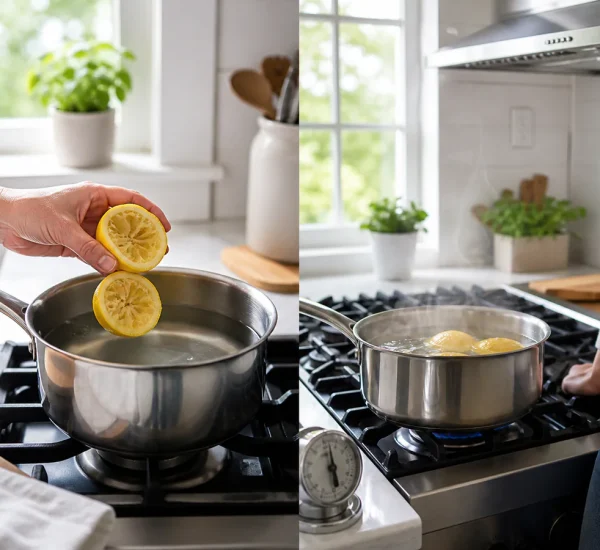
Be Careful With Lemon and Sun
Sunlight can brighten wet white cotton, but prolonged ultraviolet exposure also weakens fibers and fades prints. Lemon juice is acidic and can affect dyes or finishes.
If the care label permits, dry a thoroughly rinsed white item in mild sun and remove it when dry. Do not leave delicate fabric outside all day or apply citrus to skin-exposed clothing and then wear it in sunlight.
Skip Eggshells and Milk
Eggshells in a washing machine do not provide a controlled bleaching action. Shell fragments can escape a bag, collect in filters, and add food residue.
Milk may be used in narrow traditional stain treatments, but soaking a whole yellowed load adds fat and protein that must then be removed. It is not a dependable general whitener.
Choose products designed for laundry rather than filling the machine with kitchen scraps.
Inspect Before the Dryer
After washing, examine whites in natural light. Repeat a fabric-safe pre-treatment if yellowing remains. Do not keep escalating temperature and product strength in one session.
Air-dry the item while evaluating the result. Once improvement stops, age-related fiber oxidation may be permanent.
Check the Water, Too
Hard-water minerals can trap detergent residue and leave whites dull. A local water report or test can confirm hardness. Follow the washer and detergent maker’s advice for dosing or a compatible water-softening laundry product.
Do not pour random acids into a machine to fight minerals. They may damage parts or react with products still in the dispenser.
Keep Whites Bright Longer
Wash sweaty clothing promptly, use enough water and the correct cycle, and dry items completely before storage. Avoid cardboard, wood, and acidic paper touching heirloom whites.
The dramatic comeback begins with restraint: correct sorting, a clean washer, measured detergent, targeted pre-treatment, and oxygen bleach when the label allows. That combination can restore brightness without exposing every white garment to chlorine.