The jar foams, the kitchen smells like bread, and the “miracle fertilizer” looks alive. It is easy to imagine that every bubble will become a flower or tomato. That is where the garden story gets ahead of the soil science.
Baker’s yeast is a living fungus. It may act as a microbial or biostimulant ingredient in specific researched systems, but a homemade yeast-and-sugar drink is not a complete, measured fertilizer for every plant.
Why the Miracle Claim Sounds Believable
Yeast contains cells, proteins, vitamins, and small amounts of minerals. In laboratory or crop studies, selected yeasts or yeast extracts have sometimes affected plant growth. Those results depend on species, concentration, crop, soil, and method.
A packet of baking yeast mixed in a kitchen is not the same as a tested agricultural product. It does not provide a guaranteed balance of nitrogen, phosphorus, potassium, and micronutrients.
Bubbles mainly show that yeast is using sugar and releasing gas. They do not measure plant nutrition.
Check the Plant Before Feeding Anything
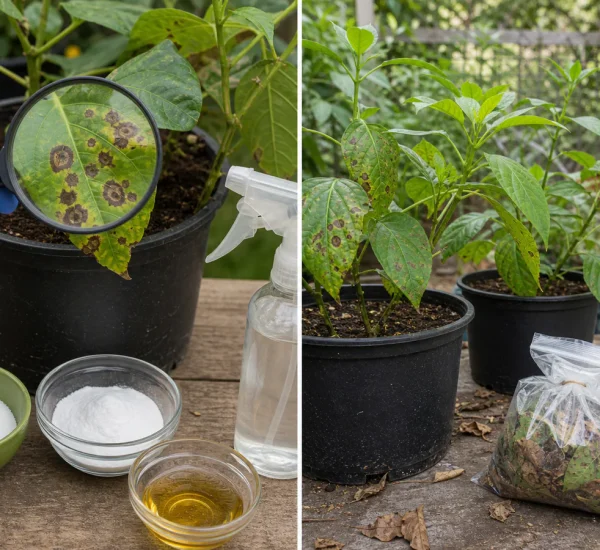
Yellow leaves can come from wet roots, dry soil, cold, damaged roots, pests, disease, or low nutrients. Slow growth may be normal in winter or low light.
Inspect the pot for drainage, smell the root zone, check moisture below the surface, and confirm how much light the plant receives. Correct those conditions before adding fertilizer.
For a garden bed, use a soil test when growth is poor or before making major nutrient changes. Guessing can add what the soil already has while missing what it needs.
Sugar Can Create the Wrong Kind of Activity
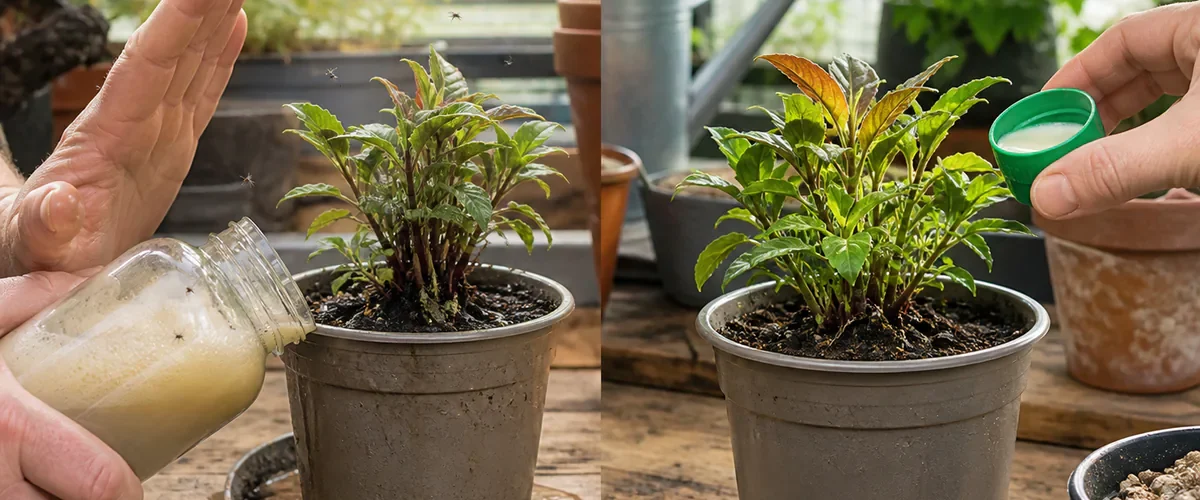
Sugar wakes yeast in bread dough. In a pot, it can also feed other microbes, attract ants or flies, create odor, and use oxygen as it breaks down.
Repeated sweet liquid may leave a sticky surface and disturb a small container. It is especially unwise around seedlings, stressed roots, fungus gnats, or poorly draining mix.
Do not pour an actively fermenting bottle into a sealed self-watering reservoir. Gas, residue, and microbial growth can block parts and sour the water.
Run a One-Pot Test Instead of Treating the Garden
If you still want to explore yeast water on a non-edible ornamental, start with one healthy, inexpensive plant and leave a similar plant untreated. Do not add sugar, manure tea, or other mystery ingredients.
Because there is no universal evidence-based home dose, follow a specific horticultural product label or local extension recommendation rather than a viral recipe. Apply only to moist soil, never leaves or flowers, and do not repeat without observing for several weeks.
Stop if the mix smells rotten, attracts insects, grows surface mold, or causes wilting. Dispose of leftovers rather than storing a fermenting bottle.
Use a Fertilizer That Names Its Nutrients
Containers eventually need nutrients because watering carries them away. Choose a fertilizer labeled for the plant type and follow its rate. More concentrate can burn roots and raise salts.
Garden plants in good soil may need little routine feeding. Finished compost can improve soil structure and slowly return nutrients, while a soil test guides any stronger addition.
Edible crops have different needs through leafy growth, flowering, and fruiting. Use regional crop guidance instead of one tonic for tomatoes, orchids, lawns, and houseplants.
Let Finished Compost Do the Quiet Work
Finished compost does not foam for a camera, yet it improves the way soil holds water and air while returning a range of nutrients. Spread the amount recommended for the crop and soil rather than filling a planting hole with concentrated material.
Compost should smell earthy, not sour or rotten. Unfinished scraps can tie up nutrients, attract pests, and heat around roots. Keep meat, oily food, and diseased plants out unless your compost system is designed for them.
For containers, use fresh potting mix and labeled feed. Garden compost alone may be too dense for a pot.
Common Yeast Fertilizer Mistakes
Do not use hot water, which can damage roots. Do not assume calcium-rich eggshell powder balances yeast; coarse shells release nutrients slowly and can change neither a deficiency nor pH on command.
Do not spray yeast mixtures onto produce. Homemade microbial teas can create food-safety concerns, especially when sugar, manure, or unknown water is involved.
Never replace fresh potting mix, drainage, light, or disease control with repeated feeding. A fertilizer cannot repair root rot.
The Real Miracle Is a Measured Change
A dramatic plant recovery often follows one corrected problem: brighter light, a drainage hole, proper watering, or the nutrient that a test actually found missing.
Yeast water may be an interesting small experiment, but it should not carry the promise of a complete fertilizer. Check the plant first, test one pot, skip sugar, and use labeled nutrients when feeding is truly needed.
That quiet method is less theatrical than a foaming jar. It is also far more likely to leave the roots healthy enough to produce the growth everyone wanted.