The eggshell looks like garden treasure: clean, free, and almost entirely mineral. Yet many famous eggshell tricks do nothing, while a few can quietly improve compost, crafts, and seed-starting habits. The surprise is not that shells have 15 magical powers. It is learning which uses survive a closer look.
Clean Eggshells Before Saving Them
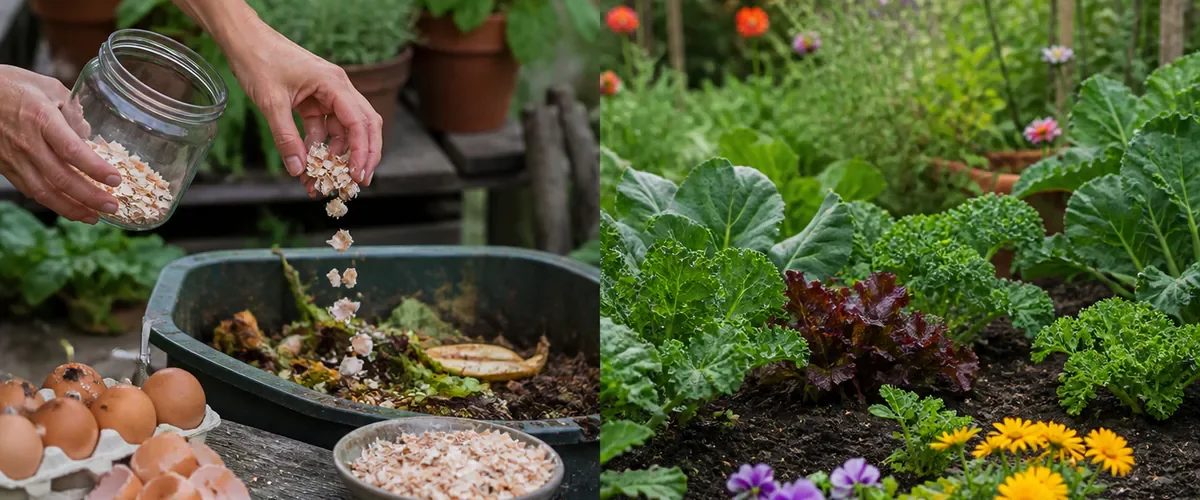
Rinse away raw egg, then dry the shells fully. Heating them on a baking sheet while the oven is already in use can make them brittle and easier to crush. Wash hands and work surfaces after handling raw shells. Store only dry shells, because damp residue can smell and attract pests.
Five Eggshell Uses That Make Sense
Add them to active compost
Crush dry shells and mix them through a working compost pile. Small pieces expose more surface area, although they still break down slowly. Eggshells add calcium-containing material; they do not turn unfinished compost into instant fertilizer or automatically fix its pH.
Use powder only after a soil test
Finely ground shells may slowly add calcium to acidic soil. Most garden plants do not need extra calcium, and shell fragments release it too slowly to rescue a current deficiency. Test the soil first. If lime or calcium is recommended, use the measured amendment advised for that soil.
Make removable seed cups
A half shell can hold a tiny seedling for a short classroom project. Pierce drainage carefully and move the seedling before roots crowd. Crack and remove the shell at transplanting instead of planting an intact cup, which can block roots and wick water unevenly.
Create mosaics and plant labels
Clean shell pieces take paint and glue well. Use them for cards, frames, or a mosaic on an indoor pot. Sand or cover sharp edges, supervise children, and keep craft shells separate from food preparation.
Offer calcium to birds only with guidance
Some bird carers provide sterilized, finely crushed shell during nesting season. Wildlife feeding rules and disease concerns vary by location. Follow a local bird organization’s instructions, keep feeders clean, and never leave egg-shaped shell pieces that may attract predators.
Garden Claims That Often Disappoint
A ring of crushed shells does not reliably stop slugs or snails. Moisture flattens sharp edges, gaps open, and determined pests cross. Use nighttime hand-picking, habitat cleanup, barriers tested for the pest, or a locally approved bait instead.
Shells in a tomato planting hole do not prevent blossom-end rot that season. The disorder usually appears when water changes prevent fruit from receiving available calcium. Keep moisture steady, mulch appropriately, protect roots, and use a soil test before adding calcium.
Eggshell water is also not a complete plant food. Plants need nitrogen, phosphorus, potassium, and other nutrients in usable forms. A clear jar of soaked shells may look powerful, but its nutrient amount is unknown.
Keep Eggshells Out of These Places
Drains and garbage disposals
Shell pieces can join grease and other debris inside pipes. They do not sharpen disposal blades or scrub a drain clean. Put shells in compost or household waste, and follow the appliance manual for cleaning.
Skin, smoothies, and pet bowls
Do not make a face scrub from shell powder; microscopic sharp pieces and raw egg contamination can irritate skin. Homemade calcium supplements can deliver an unknown dose and may contain contaminants. Ask a doctor or veterinarian before changing calcium intake for any person or animal.
Delicate cookware
Crushed shell is abrasive. It may scratch nonstick coatings, polished metal, glass, or enamel. Use the cleaner recommended by the manufacturer and test any mild abrasive on an unseen spot.
The Eggshell Habit Worth Keeping
Keep records if you test shells in one garden area. Compare similar untreated plants and wait through a full season. Fast changes usually come from weather, watering, or normal growth, not slow shell fragments. A simple comparison prevents an ordinary good week from becoming another miracle claim.
Compost piles also accept only a limited amount of kitchen mineral material. Spread shells through the pile instead of making a thick layer. If rodents or flies visit, review all food scraps, moisture, and pile coverage rather than blaming dry clean shells alone.
Save shells for a planned job, not because every viral claim sounds thrifty. Rinse, dry, crush, and mix a modest amount into compost, or turn clean pieces into a craft. Test soil before treating it.
The eggshell really can avoid the trash, but its best uses are slow and ordinary. That is better than a miracle: it is a reuse habit that helps without clogging pipes, scratching pans, or giving a plant something it never needed.
For a simple monthly routine, dry the week’s shells, crush them on compost day, and wash the storage jar. If you have no compost or craft planned, household waste is safer than forcing shells into a questionable remedy.