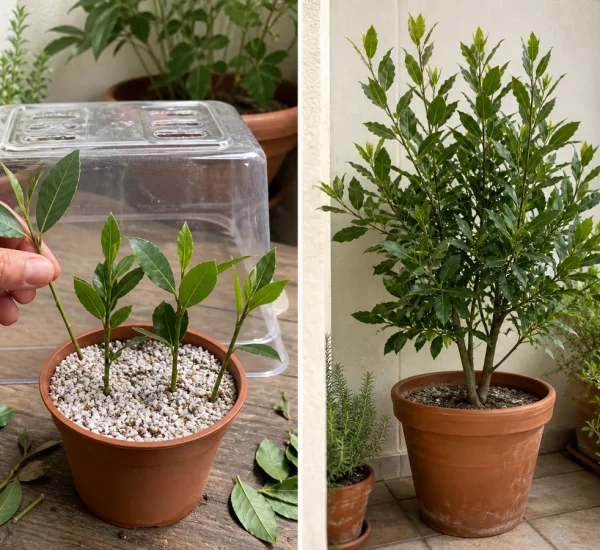
The first cool week of fall can make a lively room of plants look tired almost overnight. Leaves droop, buds pause, and soil that dried in three days during summer stays wet for a week. It is tempting to reach for a “secret” powder or pour in extra fertilizer. Yet the most powerful fall houseplant booster is not one ingredient. It is a careful reset that matches the plant’s new season.
I learned this after trying to cheer up a peace lily with food when it actually needed more window light and less water. The extra fertilizer did not wake it. Moving it closer to the glass, trimming damaged leaves, and changing my watering rhythm did.
Why Houseplants Change in Fall
Indoor plants notice shorter days even when the thermostat barely changes. Less light means slower photosynthesis. Slower growth means roots use water and nutrients more slowly. Heating systems can also dry the air while cold windows chill leaves and soil.
That combination creates confusing signs. A plant may wilt because its roots are dry, but it can also wilt because constantly wet soil has pushed out the air roots need. Yellow leaves can signal normal aging, poor light, excess water, pests, or several problems together.
The useful “secret” is to diagnose before treating. A quick five-minute check often tells you more than a bottle of plant tonic.
The Fall Houseplant Reset
1. Find the Brightest Safe Light
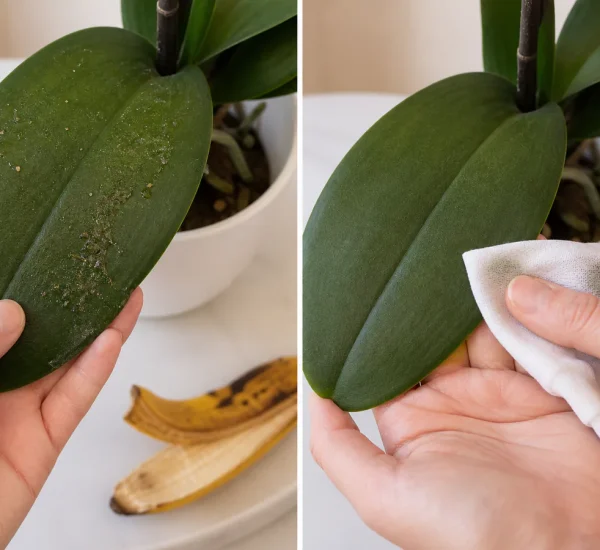
Clean dusty leaves with a damp soft cloth so they can use the available light. Wash the window, then move light-loving plants closer without pressing leaves against cold glass. Turn each pot one quarter turn every week for even growth.
Watch how sunlight enters the room because its angle changes in fall. A spot that was protected in July may receive direct rays in October. Most common foliage plants enjoy bright indirect light, while succulents often need several hours of direct sun. Learn the needs of each species instead of treating the whole shelf alike.
2. Test Below the Surface Before Watering
Do not water by the calendar. Push a finger about an inch into the mix, or lift the pot and notice its weight. Water when the plant’s preferred depth feels dry. Then soak the mix evenly until a little water drains out, and empty the saucer.
Plants that slow down in fall may need water far less often. Keeping roots constantly damp can invite rot and fungus gnats. On the other hand, tiny sips wet only the top layer and may leave the main root ball dry. A full drink at the right time is better than daily splashes.
3. Inspect Every Leaf and Stem
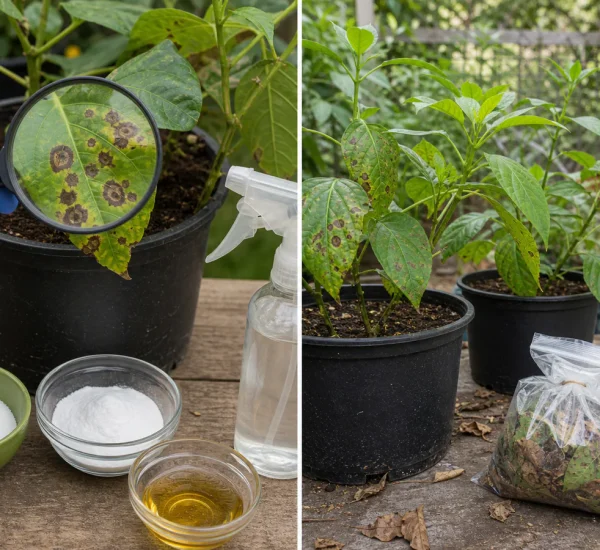
Look under leaves, along veins, and where stems meet. Spider mites, scale, mealybugs, and thrips can spread quickly once plants are grouped indoors. Fine webbing, sticky residue, pale speckles, bumps, or cottony clusters deserve attention.
Move an affected plant away from the others. Rinse sturdy leaves, remove badly damaged parts, and identify the pest before choosing a labeled treatment. Repeat inspections weekly because one treatment may not catch every life stage.
4. Feed Growth, Not the Calendar
A plant that is still producing healthy new leaves under strong light may accept a reduced dose of complete houseplant fertilizer. A plant that has stopped growing usually needs little or none. Follow the product label and never double the dose to force a bloom.
Fertilizer cannot replace light, repair rotten roots, or make a resting plant grow. Excess salts can burn root tips and form a pale crust on the soil. If you suspect buildup, flush the pot with plain water and let it drain fully.
Small Changes That Make a Big Difference
Keep plants away from hot vents, cold drafts, and frequently opened exterior doors. Grouping plants can slightly raise local humidity, but leave enough space for air movement. A clean humidifier can help tropical plants in a very dry room. Do not mist as a cure-all; wet leaves plus poor airflow can support spotting diseases.
Trim only yellow, dead, or diseased growth with clean scissors. Fall is not always the best time for hard pruning or repotting because recovery can be slower. Repot promptly if roots are rotting, the mix will not drain, or the pot is dangerously crowded. Otherwise, major work can often wait until spring growth begins.
Mistakes That Keep Tired Plants Tired
The biggest mistake is changing everything at once. New location, new pot, heavy pruning, extra water, and strong fertilizer create several stresses and make the original problem impossible to identify. Make one or two sensible changes, then observe for a week or two.
Also avoid untested kitchen mixtures. Coffee, sugar water, milk, and concentrated peel teas can sour, attract pests, alter soil chemistry, or burn roots. A complete labeled fertilizer is more predictable when nutrition is truly needed.
Finally, do not expect damaged leaves to turn perfect again. Judge recovery by firm stems, stable moisture, and healthy new growth. Old marks may remain even after the cause is fixed.
The Real Fall Awakening
The best fall houseplant booster is a routine built around light, roots, and observation. Clean the leaves, improve the location, water only when the root zone calls for it, and feed only active growth.
Your plant may not explode with flowers in a few days, and that is good. Real recovery is quieter: one upright stem, a clean new leaf, and roots that can breathe. Those small signs show that your fall reset is working and that the plant is ready for the long indoor season ahead.