Growing eggplants in a greenhouse can provide you with a controlled environment that allows for extended growing seasons and optimal conditions. Here’s a guide on how to grow eggplants in a greenhouse for a high yield:
Materials Needed:
- Greenhouse:
- Choose a greenhouse structure that provides sufficient space, good ventilation, and temperature control.
- Eggplant Seeds or Seedlings:
- Select high-quality eggplant seeds or healthy seedlings from a reputable source.
- Containers or Raised Beds:
- Use containers or raised beds with well-draining soil. Container size should be at least 5 gallons for each eggplant plant.
- Potting Mix:
- Use a well-balanced, nutrient-rich potting mix suitable for vegetables.
- Support Structures:
- Install trellises or stakes to support the eggplant plants as they grow.
- Drip Irrigation System:
- Consider using a drip irrigation system to provide consistent moisture without wetting the foliage.
- Fertilizer:
- Choose a balanced fertilizer or a fertilizer specifically formulated for vegetables.
- Temperature Control:
- Install a temperature control system in the greenhouse, as eggplants thrive in warm conditions. Keep the temperature between 70°F to 85°F (21°C to 29°C) during the day and above 60°F (15°C) at night.
Steps:
- Greenhouse Placement:
- Choose a location for your greenhouse that receives ample sunlight. Eggplants need at least 6 hours of direct sunlight daily.
- Soil Preparation:
- Fill containers or raised beds with well-draining potting mix. Ensure the soil is rich in organic matter.
- Planting:
- Plant eggplant seeds or seedlings in the containers or beds. Space plants at least 18 to 24 inches apart to allow for proper air circulation.
- Support Structures:
- Install trellises or stakes near each eggplant plant to support the growing stems and heavy fruits.
- Watering:
- Use a drip irrigation system or water the plants at the base to keep the foliage dry and reduce the risk of diseases. Eggplants prefer consistent moisture, so water when the top inch of soil feels dry.
- Fertilizing:
- Feed the plants with a balanced fertilizer or a fertilizer formulated for vegetables. Follow the recommended application rates on the package.
- Temperature Management:
- Maintain the greenhouse temperature within the optimal range. Consider using shading or ventilation systems during hot periods.
- Pruning:
- Prune the eggplant plants to encourage a more compact and bushy growth habit. Pinch off the tips of young shoots to encourage branching.
- Pest and Disease Control:
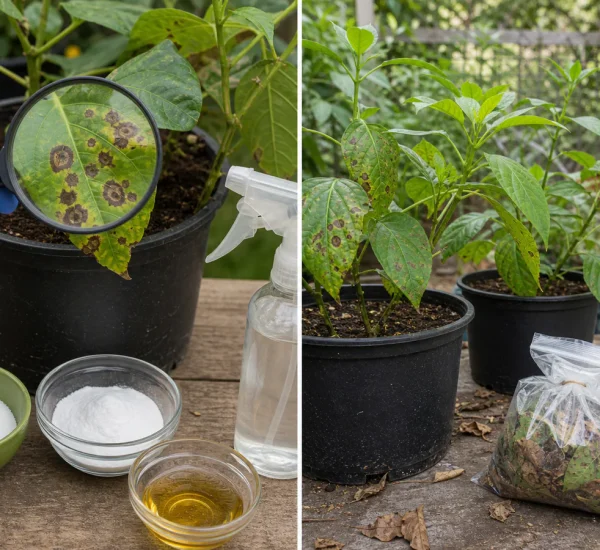
- Keep an eye out for pests such as aphids, spider mites, and whiteflies. Monitor for diseases like powdery mildew. Use organic or chemical controls as needed.
- Harvesting:
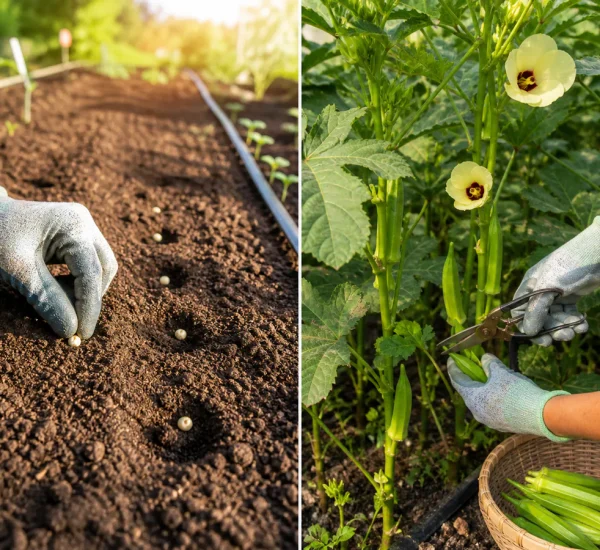
- Harvest eggplants when they reach a desirable size and have a glossy appearance. Use pruning shears or a knife to cut the fruits from the plant.
- Successive Planting:
- Consider successive planting to ensure a continuous harvest throughout the growing season.
Additional Tips:
- Variety Selection:
- Choose eggplant varieties that are well-suited for greenhouse cultivation. Some varieties are more compact and suitable for container gardening.
- Ventilation:
- Ensure proper ventilation in the greenhouse to prevent heat buildup and improve air circulation.
- Crop Rotation:
- If growing eggplants in the same greenhouse for multiple seasons, practice crop rotation to minimize the risk of soil-borne diseases.
- Monitor Plant Health:
- Regularly inspect your eggplants for signs of stress, pests, or diseases. Early detection allows for timely intervention.
By providing optimal conditions and carefully managing the greenhouse environment, you can maximize the yield of eggplants and enjoy a bountiful harvest. Adjustments may be needed based on the specific conditions of your greenhouse and local climate. Happy gardening!
Show Comments