One teaspoon of white crystals is said to wake every flower in the house and garden. Sprinkle Epsom salt, the story goes, and roots strengthen, seeds leap up, pests leave, tomatoes sweeten, and blooms last for weeks.
Epsom salt is magnesium sulfate. It can help a plant when soil or potting mix truly lacks magnesium and the application rate is correct. It cannot guarantee flowers, and using it without a deficiency may upset nutrient balance or add unnecessary salts. The hidden condition matters more than the teaspoon.
What Magnesium Does for Plants
Magnesium is part of chlorophyll, the green pigment involved in photosynthesis. Sulfur contributes to proteins and enzymes. Plants need both, but only in certain amounts.
A deficiency can occur in very sandy, acidic, heavily leached soil or under an imbalance with other nutrients. Many garden soils and complete fertilizers already supply enough magnesium.
Adding more of a nutrient that is not missing does not create extra blooms. Plants respond to the factor holding them back, which may be light, water, nitrogen, temperature, pruning, or maturity.
How Magnesium Deficiency May Look
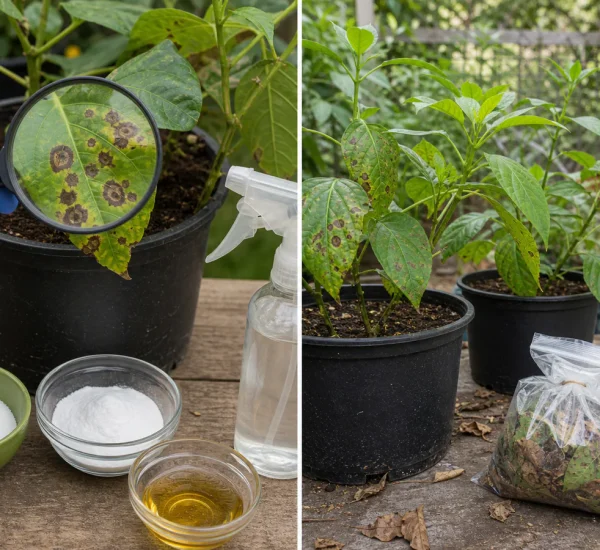
Because magnesium moves within a plant, symptoms often begin on older leaves. Tissue between the veins may turn yellow while the veins stay greener. Patterns vary by species.
Root rot, high or low pH, iron shortage, drought, fertilizer burn, and natural leaf aging can resemble nutrient trouble. A photo alone is not enough to prescribe Epsom salt.
For an outdoor bed, use a laboratory soil test that includes magnesium and pH. For container plants, review the potting mix, fertilizer label, root health, and water quality.
When One Teaspoon May Be Appropriate
If a soil test or reliable diagnosis confirms low magnesium, follow the test recommendation or a product label written for horticultural use. The correct amount depends on plant type, soil volume, existing nutrients, and application method.
A teaspoon diluted in water may be a reasonable rate in one situation and excessive in a small pot. Do not copy a universal recipe across seedlings, orchids, succulents, roses, and vegetables.
Apply to moist soil, not a dry root ball. Measure carefully and record the date. Give the plant time to produce healthy new growth before repeating.
Why Epsom Salt Does Not Force Flowers
Flowering begins with genetics and maturity. It also requires the right light intensity, day length for some species, temperatures, and balanced nutrition.
A dark peace lily may need brighter indirect light. A rose may need direct sun. A plant fed too much nitrogen may produce leaves instead of buds. A recently divided plant may be rebuilding roots.
Magnesium cannot replace phosphorus, potassium, nitrogen, or micronutrients. Use a complete fertilizer labeled for the plant when feeding is needed.
Do Not Put Crystals in Planting Holes
A concentrated spoon beneath seeds or roots creates a salty pocket. It can draw water away from tender tissue and interfere with germination. Seeds carry stored energy and need correct moisture, oxygen, and temperature more than a supplement.
Fill seed trays with fresh seed-starting mix and begin diluted complete fertilizer only after true leaves develop, following crop guidance.
The Pest-Control Claims Fall Apart
Epsom salt is not a reliable barrier for slugs, snails, caterpillars, aphids, or other insects. Sprinkled crystals dissolve, wash into soil, and may contact roots.
Identify the pest and use barriers, hand removal, habitat changes, or a labeled control. Never spray a magnesium solution across flowers visited by pollinators without a plant-specific reason.
What About Tomatoes, Peppers, and Roses?
These plants are frequently named in Epsom salt advice, but they do not automatically require extra magnesium. Tomatoes and peppers can suffer blossom-end rot from calcium transport and uneven watering; magnesium does not cure it.
Rose flowering depends heavily on sun, variety, pruning, water, and full nutrition. A soil test should decide whether magnesium is part of the plan.
Too much magnesium can compete with calcium and potassium uptake. It can also wash into waterways rather than remaining where plants need it.
Safer Steps for More Flowers
Confirm that the plant receives enough light for its species. Water the full root zone and maintain drainage. Remove spent blooms when deadheading encourages repeat flowering.
Use a complete fertilizer at the labeled rate during active growth. Avoid large doses of nitrogen. Check for pests and root crowding, and learn whether the species requires a cool period or certain day length.
Those steps solve common limits without guessing at one mineral.
Let the Deficiency Earn the Teaspoon
Epsom salt is neither a miracle bloom powder nor a useless product. It is a source of magnesium and sulfur for situations where those nutrients are genuinely low.
Test, diagnose, measure, and apply only what the plant needs. When magnesium is the hidden deficiency, a small correct dose can support greener new growth. When it is not, the best way to unlock flowers is to fix the real limit instead.