The snake plant sat in a dim corner for months, upright and green. It seemed to prove every claim: cleaner air, better sleep, controlled humidity, and almost no care. Only one part was certain. This tough plant had survived a place that defeated several fussier houseplants.
Snake plants offer real benefits, but they do not replace ventilation, an air purifier, a dehumidifier, or medical care. Their best qualities are practical: bold shape, broad light tolerance, low water demand, slow growth, and easy propagation.
1. It Brings Strong Shape to a Small Space
Upright sword-shaped leaves add height without spreading across a table. Tall green-and-yellow cultivars suit a floor pot, while compact bird’s-nest forms fit a shelf. The plant’s clear shape works well in modern and traditional rooms.
Choose a heavy pot for a tall plant so it does not tip. Keep leaves away from a busy walkway because damaged tips do not regrow into their old shape.
2. It Tolerates a Wide Range of Light
A snake plant can survive low indoor light, but it grows better in bright indirect light. Variegated patterns may fade in a very dark room. Strong direct sun can scorch a plant that has not been slowly adjusted.
Move it closer to a window in small steps and rotate the pot occasionally. Low light also means slower water use, which raises the risk of overwatering.
3. It Forgives a Missed Watering
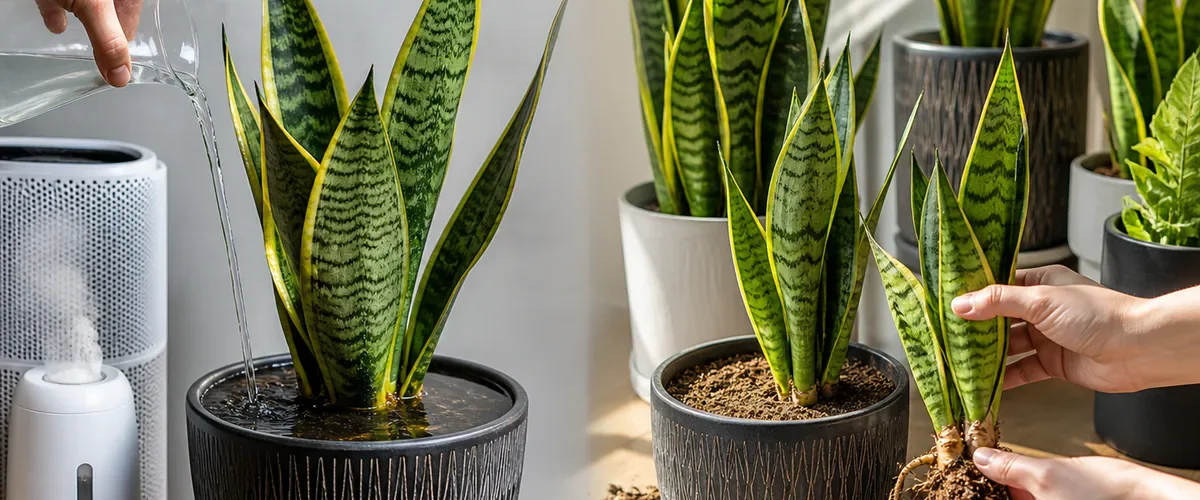
Thick leaves and underground rhizomes store water. Let the potting mix dry completely between waterings, then soak it and allow every excess drop to drain. In winter, the plant may need very little water.
Overwatering is the most common reason snake plants fail. Soft leaves, a foul smell, and mushy roots point to rot. A decorative pot without drainage can hide standing water, so empty the outer cover after every soak.
4. It Grows Slowly and Stays Manageable
Slow growth means less pruning and repotting. A snug pot is acceptable until rhizomes crowd the container or push it out of shape. Repot in active growth using a free-draining mix and a pot only slightly larger.
Feed lightly in spring and summer with a labeled houseplant fertilizer. Heavy feeding creates no special health benefit and may leave salts around the roots.
Its Calm Routine Fits Busy Homes
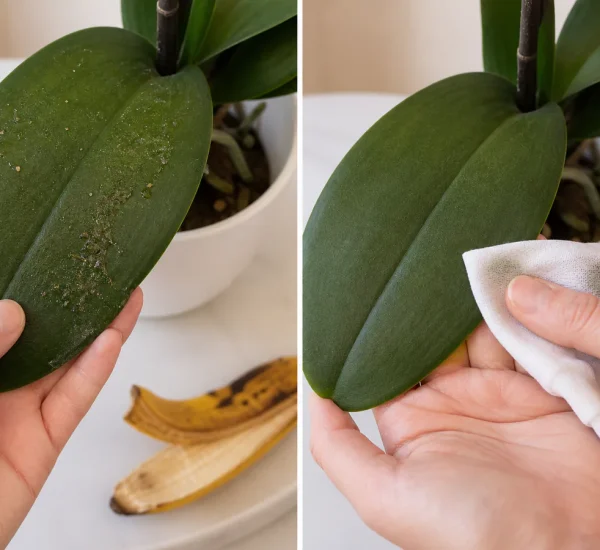
A slow-growing plant changes little from week to week, which makes care easier to observe. Set a reminder to check the soil rather than automatically water it. Dust the leaves with a damp cloth so light reaches the surface, and inspect the bases for mealybugs or scale while you work.
This forgiving pace can help a new gardener learn the difference between checking a plant and constantly changing it. Stable placement usually serves a snake plant better than frequent moves, feeding, and misting.
5. One Plant Can Become Several
Division is the fastest way to preserve a variegated plant’s pattern. Remove the plant, separate a section with roots and leaves, and repot it at the same depth.
Leaf cuttings also work. Cut a healthy leaf into short sections, mark the lower end, let succulent tissue heal as recommended, and place each section in a clean, lightly moist rooting medium with its original lower end down. Variegated leaf cuttings may return as plain green plants.
The Air-Purifying Claim Needs Context
Laboratory studies have shown that plants can remove some chemicals in sealed chambers. A normal room has moving air, open doors, furniture, and a much larger volume. One snake plant does not clean indoor air at the rate suggested by those small experiments.
Use source control, ventilation, and a suitable air cleaner for indoor pollution. Fix dampness rather than expecting leaves to prevent mold. A snake plant performs CAM photosynthesis and exchanges gases at night, but its contribution is far too small to treat sleep or breathing problems.
Important Pet Warning
Snake plant contains saponins and is toxic to cats and dogs when eaten. The ASPCA lists nausea, vomiting, and diarrhea among possible signs. Place it where pets cannot chew it, or choose a pet-safe plant.
If an animal bites the plant, remove access and contact a veterinarian or animal poison-control service. Do not wait for severe symptoms or induce vomiting without professional advice.
Children who explore by chewing also need a safe placement. Use a stable high surface that cannot be pulled down, or choose a verified non-toxic alternative. A decorative floor pot is not worth a preventable exposure.
Common Care Mistakes
- Watering on a fixed weekly schedule
- Leaving the inner pot in a filled cover
- Moving directly from deep shade to harsh sun
- Using an oversized pot that stays wet
- Counting on the plant to clean a whole room
The snake plant deserves its popularity without impossible promises. It gives bold design, flexible placement, drought tolerance, slow steady growth, and easy new plants. Give it drainage and patient watering, keep it away from nibbling pets, and enjoy the five benefits that remain impressive in the real world.