Aphids and whiteflies can cover tender shoots almost overnight. A homemade blend of garlic, onion, hot pepper, and dish soap sounds like the strongest natural answer in the kitchen. Spray it once, the story promises, and the pests disappear immediately.
The mixture may knock down some soft-bodied insects, but it can also burn leaves, irritate skin and eyes, and harm helpful insects. “Natural” describes where ingredients came from. It does not guarantee that a concentrated spray is gentle or correctly dosed.
Why This Homemade Insecticide Seems Powerful
Garlic, onion, and hot pepper contain strong compounds that can repel or irritate insects. Soap can break the protective outer layer of some soft-bodied pests when it contacts them directly. Together, they create a sharp spray with an obvious smell and fast visible action.
That strength is also the problem. Kitchen recipes vary by clove size, pepper type, soap formula, water amount, and steeping time. Dish detergents are designed for dishes, not leaves. Degreasers, fragrances, dyes, and other additives may strip the waxy surface that protects a plant.
Identify the Pest Before You Spray
Aphids are small pear-shaped insects that cluster on new stems and leaf undersides. Whiteflies look like tiny white moths that flutter when a leaf is disturbed; their immature stages sit flat underneath leaves. Both produce sticky honeydew that may lead to black sooty mold.
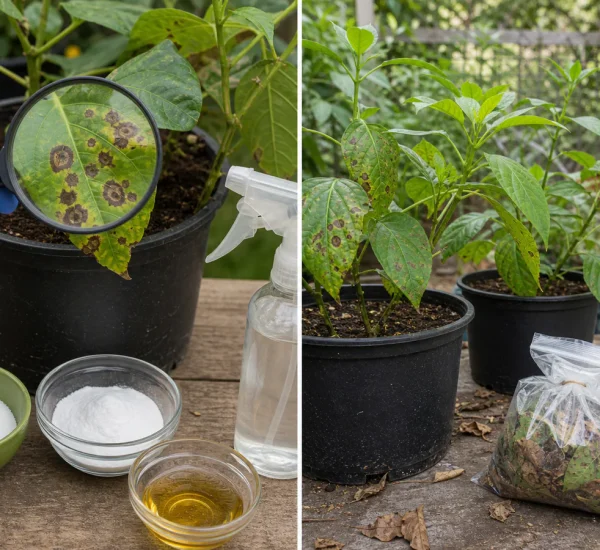
Do not confuse whiteflies with harmless insects passing through the garden, or aphid skins with living pests. Use a hand lens and inspect several leaves. Correct identification prevents unnecessary spraying.
Start With the Lowest-Risk Controls
For a light infestation, isolate a potted plant and rinse the pests away with a firm but gentle stream of water. Support tender stems so they do not snap. Prune only heavily crowded tips, and place the cut material in a sealed disposal bag.
Repeat the water rinse after several days and inspect the newest leaves. A second careful wash often removes young insects that were missed without coating the whole garden in a stronger mixture.
Check for ants. Ants feed on honeydew and may protect aphids from predators. Block their route using methods suitable for the location rather than spraying every insect on the plant.
In the garden, lady beetles, lacewings, hoverfly larvae, and tiny parasitic wasps help control these pests. Broad spraying can remove those allies and allow the infestation to return faster.
Small yellow sticky cards can help monitor adult whiteflies indoors, though they will not control every life stage. Position them close to plants and away from curious pets.
Choose Real Insecticidal Soap
If water and pruning are not enough, buy an insecticidal soap labeled for the plant and pest. These products use selected soap salts at tested concentrations. Read the entire label, wear the required protection, and keep people and pets away until the label says the area is safe.
Coverage matters because soap works on contact. Spray leaf undersides and growing tips without flooding the soil. Repeat only at the labeled interval; eggs or missed insects may survive the first application.
Always Test a Small Area
Even a labeled product can injure a stressed or sensitive plant. Treat one small section, wait the period recommended on the label, and check for spotting, curling, or burned edges. Never spray a thirsty plant, a newly transplanted plant, or leaves heated by strong midday sun.
Apply in calm weather to reduce drift. Do not spray open flowers where bees are feeding. Avoid treatment before rain, which can wash the product away and carry it into drains or waterways.
What to Avoid in the Kitchen Recipe
Hot-pepper mist can hurt eyes and lungs. Garlic and onion mixtures can irritate skin. Dish soap concentration is easy to misjudge, and combining several harsh ingredients makes it difficult to know which one damaged the plant.
Never mix a homemade spray with bleach, ammonia, pesticides, or other cleaners. Do not store it in a drink bottle. Children and pets should not have access to mixed solutions, treated leaves, or discarded plant pieces.
Measure Success Over More Than One Day
A dramatic pile of insects after spraying does not prove control. Check new growth twice a week. Look for fewer live pests, less honeydew, and healthy unfolding leaves. Wash sooty mold gently after the insects are controlled so the plant can receive light.
Review plant care too. Excess nitrogen creates soft new growth that aphids love. Crowded plants hide whiteflies and reduce airflow. Balanced feeding, sensible spacing, and regular inspection prevent a small problem from becoming a cloud.
The Strongest Plan Is a Careful One
The garlic-onion-pepper spray feels powerful because you can smell and feel its strength. That same intensity can punish a plant and the useful insects around it.
Use water, pruning, monitoring, and natural predators first. When more control is needed, use a labeled insecticidal soap precisely. The goal is not the harshest spray in the garden. It is healthy new leaves with fewer pests and no accidental damage.